

Blog
How to Scale Your Cafe Business with N2O Efficiency: A Professional Guide to Cream Charger Wholesale

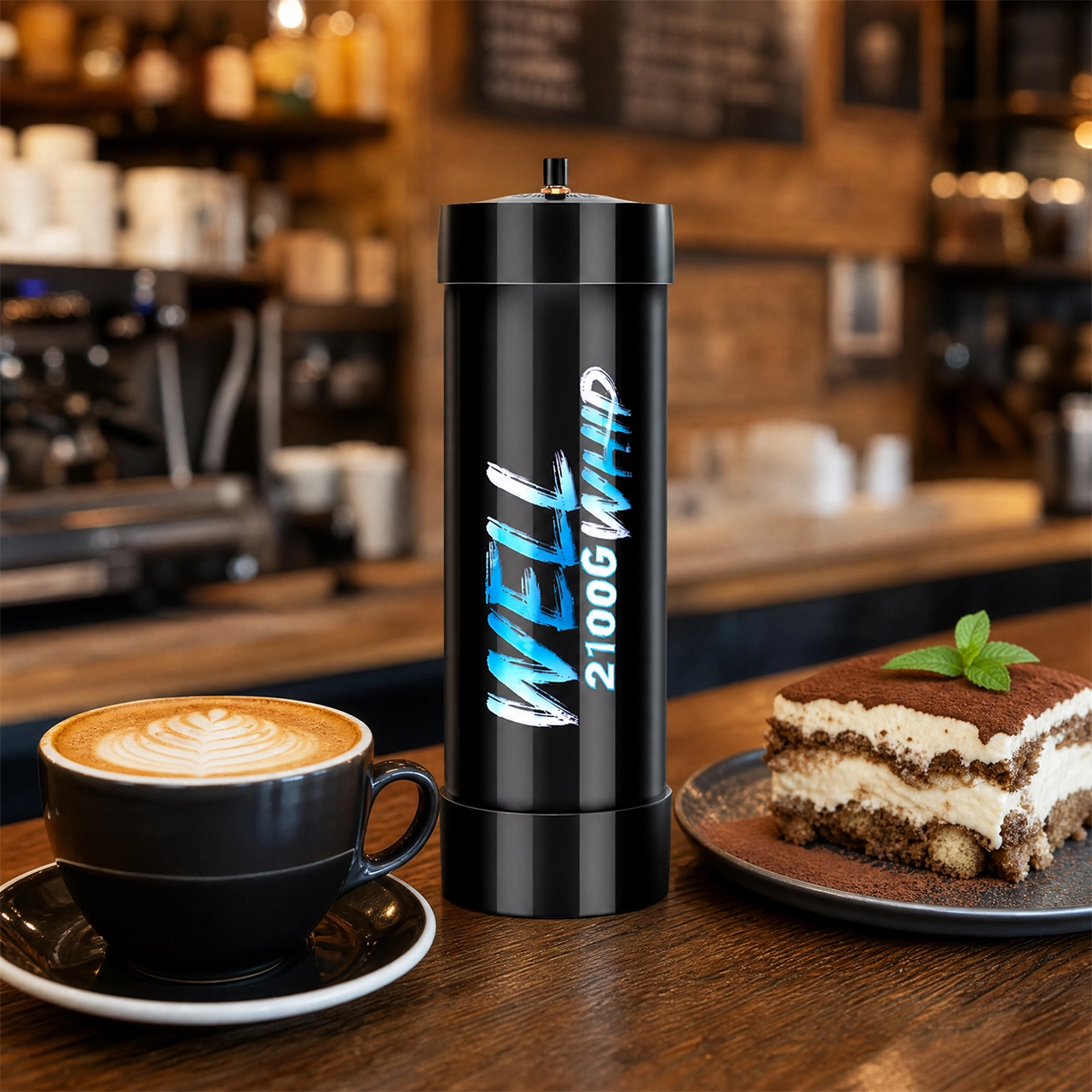
In the highly competitive food and beverage sector, coffee shop expansion relies on two critical metrics: operational throughput and margin optimization. While single-origin beans and commercial espresso machines capture the spotlight, the hidden engine of high-margin beverage programs lies in securing a reliable wholesale cream charger supply chain. Whether you are serving signature nitro cold brews, artisanal whipped creams, or rapid-infusion culinary foams, understanding N2O efficiency is paramount. This comprehensive guide outlines how sourcing premium products through a trusted wholesale cream charger partner can streamline your cafe operations, eliminate inventory bottlenecks, and substantially reduce overhead costs.
1. The Chemistry of Cafe Margins: Why N2O Efficiency Matters
For modern cafe operations, whipped cream and culinary foams are not mere toppings—they are high-margin upgrades. A standard beverage can see an immediate price lift of $0.50 to $1.50 with the addition of a premium, flavor-infused foam. However, the profitability of these additions depends entirely on your preparation efficiency.
Standard Hand-Whipping: Low Overrun, High Labor Cost, Inconsistent Texture
Commercial N2O Charger System: Up to 4x Overrun, Zero Labor Waste, Flawless Consistenc
Understanding Overrun and Yield Optimization
In culinary terms, overrun refers to the percentage increase in the volume of cream or liquid after gas has been incorporated.
- Manual or mechanical whipping typically yields an overrun of 100% to 150% (doubling the volume).
- Nitrous oxide (N2O) pressurization via high-quality cream chargers achieves an overrun of up to 300% to 400%.
This scientific advantage translates directly to business logic: you use up to four times less raw liquid cream to produce the same volume of beautiful, stable countertop presentation.
Eliminating Labor and Product Waste
Time is the most expensive variable in cafe operations. Hand-whipping or using subpar gas cylinders with fluctuating purity results in unstable foam structures that deflate rapidly, leading to product disposal. Pure, culinary-grade $N_2O$ provides prolonged structural stability to dairy and vegan fats, allowing baristas to prep dispensers ahead of peak morning rushes without risking flavor oxidation or texture breakdown.
2. Transitioning from Retail Cartridges to Cream Charger Wholesale
As your weekly case volume grows, relying on local kitchen supply stores or small-scale retail packs becomes a operational bottleneck. Scaling your business requires a strategic transition to a dedicated cream charger wholesale model.
| Operational Metric | Retail 8g Packs (Small-scale) | Wholesale Large Cylinders (0.95L – 2.2L+) |
| Gas Purity Consistency | Variable across batches | Guaranteed 99.9% Culinary Grade |
| Barista Prep Time | High (constant twisting and discarding) | Low (continuous regulator hookup) |
| Packaging Waste | Maximum (hundreds of steel shells) | Minimal (recyclable lightweight cylinders) |
| Cost Per Gram of N2O | Premium Pricing | Bulk Wholesale Discounts |
The True Cost of Micro-Sourcing
Operating a cafe with individual 8g chargers creates hidden operational drains. Your staff spends cumulative hours unscrewing charger holders, changing cartridges mid-rush, and tracking individual inventory boxes. Furthermore, the cost per gram of gas in retail packaging is significantly inflated to cover the manufacturing and shipping of thousands of tiny steel bulbs.
The Wholesale Advantage: Bulk Cylinders for Commercial Kitchens
By partnering directly with a B2B supplier like Wellwhip for bulk cream chargers, cafes unlock drastic cost reductions. Large-format cylinders—ranging from 580g, 0.95L to 2.2L capacities—streamline the assembly line. Fitted with a pressure regulator, these commercial tanks allow for precise dosage, lightning-fast refilling of whipped cream dispensers, and uniform gas distribution that eliminates partial duds.
3. Optimizing the Nitrous Oxide Supply Chain for Multi-Location Cafes
For regional coffee chains or expanding multi-location operations, supply chain disruption is an existential threat. Running out of N2O on a bustling weekend means turning down premium menu items, harming both immediate revenue and customer satisfaction.
Demand Forecasting and Inventory Footprint
Managing inventory footprints requires a balance between stock availability and storage limitations. Bulk commercial cylinders offer a highly concentrated storage-to-volume ratio:
- Space Saving: A single 2.2L wholesale cylinder replaces over 250 traditional 8g cartridges, freeing up vital back-of-house shelf space.
- Logistical Predictability: Tracking bulk cylinder usage per location allows headquarters to establish fixed auto-shipment schedules, shielding your operations from seasonal logistics surges.
Compliance, Purity, and Brand Reputation
In the B2B hospitality market, product safety and certification are non-negotiable. Substandard gas imports often contain industrial machine oils or chemical impurities that alter the delicate flavor notes of premium coffee beans.
When establishing a wholesale relationship, ensure your supply chain guarantees food-grade, certified pure Nitrous Oxide (E942) manufactured in state-of-the-art facilities. Serving a pure, unadulterated product safeguards your brand reputation and ensures strict compliance with local food safety regulations.
4. Operational Best Practices: Training Baristas for Efficiency and Safety
A reliable wholesale partnership is only half the battle; maximizing your return on investment requires implementing strict operational protocols behind the counter.
Implementing Pressure Regulators
For cafes utilizing large-capacity cylinders, investing in professional-grade pressure regulators is a game-changer. Teach your team to dial in the exact PSI recommended for specific liquids:
- Heavy Dairy Creams: Higher PSI for a firm, dense structure suitable for hot beverages.
- Cold Brew Rapid Infusions / Vegan Milks: Adjusted, lower PSI to accommodate alternative fat structures (like oat or coconut milk) without causing liquid splitting.
Standard Operating Procedures (SOPs) for Dispenser Care
To prevent gas leakage and ensure uninterrupted workflow, incorporate these three steps into your daily closing checklists:
- Seal Inspection: Regularly inspect and lubricate the rubber O-rings on siphon heads to guarantee airtight pressurization.
- Temperature Maintenance: Keep filled dispensers stored horizontally in a dedicated commercial refrigerator at 4°C (39.2°F). Proper chilling stabilizes the N2O gas within the liquid matrix, preventing premature sputtering.
- Safe Depressurization: Train staff to fully vent any remaining gas before opening a dispenser for cleaning, protecting equipment threads and ensuring employee safety.
5. Conclusion: Future-Proofing Your Beverage Program with Wellwhip
Scaling your cafe business is an exercise in meticulous optimization. By identifying and upgrading inefficient processes behind the bar, you unlock the capital and labor required to fund your next location. Transforming your nitrous oxide sourcing from a reactionary retail purchase into a structured cream charger wholesale strategy cuts product cost, increases barista efficiency, and delivers the unwavering consistency that modern foodies demand.
As your dedicated partner in commercial gas solutions, Wellwhip provides the ultra-pure, reliable supply chain that high-volume beverage programs rely on. Ready to eliminate the hassle of small cartridges and maximize your overrun profits? Contact our commercial B2B sales team today to discuss tailored bulk shipping schedules, tier-one wholesale pricing, and custom equipment integrations designed for high-throughput cafe operations.