Blog
Troubleshooting Guide for Your Cream Whipper: Professional Solutions for Flawless Peaks


Mastering cream whipper troubleshooting is essential for any professional barista or home chef. If you’ve experienced a cream whipper leaking gas mid-service, you know that regular whipper maintenance is the secret to consistency. In this guide, we’ll show you how to fix whipped cream dispenser issues and why the WellWhip 3.3L Cream Charger is the ultimate pro-solution.
This comprehensive guide breaks down the most common cream whipper maintenance issues and provides expert-level solutions to ensure your equipment performs perfectly every time.
Common Whipper Issues
1. Troubleshooting Gas Leakage: The Silent Culprit
A cream whipper leaking gas is almost always down to a seal issue. If you hear a faint hissing sound after inserting your N2O charger, check the following:
- The Gasket Integrity: The primary silicone gasket inside the head is the heart of the seal. Inspect it for tiny tears, food residue, or loss of elasticity. Pro Tip: If the gasket feels brittle or “flat,” it’s time for a replacement.
- The Piercing Pin: Ensure the pin that punctures the N2O charger is clean. If residue builds up here, the charger won’t seat properly, leading to a bypass of gas.
- Thread Alignment: Ensure the head is screwed on perfectly level. Cross-threading is a common cause of slow leaks that ruin a batch of cream.
2. Why is My Cream Too Runny? (Consistency Management)
If you’ve discharged a charger and the result is liquid, don’t blame the gas just yet.
- The Fat Content Rule: For stable, fluffy peaks, always use cream with 30%–35% fat content. Lower fat percentages struggle to trap the N2O bubbles effectively.
- Temperature Matters: Both your whipper and the cream should be chilled (3–5°C) before use. Warm cream cannot hold the gas structure, resulting in “flat” output.
- The Shake Factor: Shake the dispenser 5–10 times. Over-shaking can turn cream into butter; under-shaking leaves it liquid.

3. Safety First: Dealing with a “Stuck” Dispenser
Warning: Never attempt to force open a dispenser that is under pressure.
If the head won’t unscrew, it’s likely because there is still residual gas inside. Hold the whipper upright and press the lever until all gas is completely discharged. If the nozzle is clogged, use a thin needle to clear the tip, then try discharging again. Only once the hissing stops completely should you attempt to unscrew the head.
4. Maintenance Secrets for Longevity
Regular whipper maintenance is the difference between a tool that lasts one year and one that lasts ten.
- Deep Clean the Nozzle: Always remove the nozzle after each session and use a small brush to clear the internal threads. Dried cream acts like glue and can lead to pressure buildup.
- Use High-Purity Gas: The longevity of your valves depends on the quality of your N2O. Using WellWhip’s 99.9% pure food-grade N2O prevents oily residues from clogging the internal intake system.
Optimize Your Workflow with WellWhip
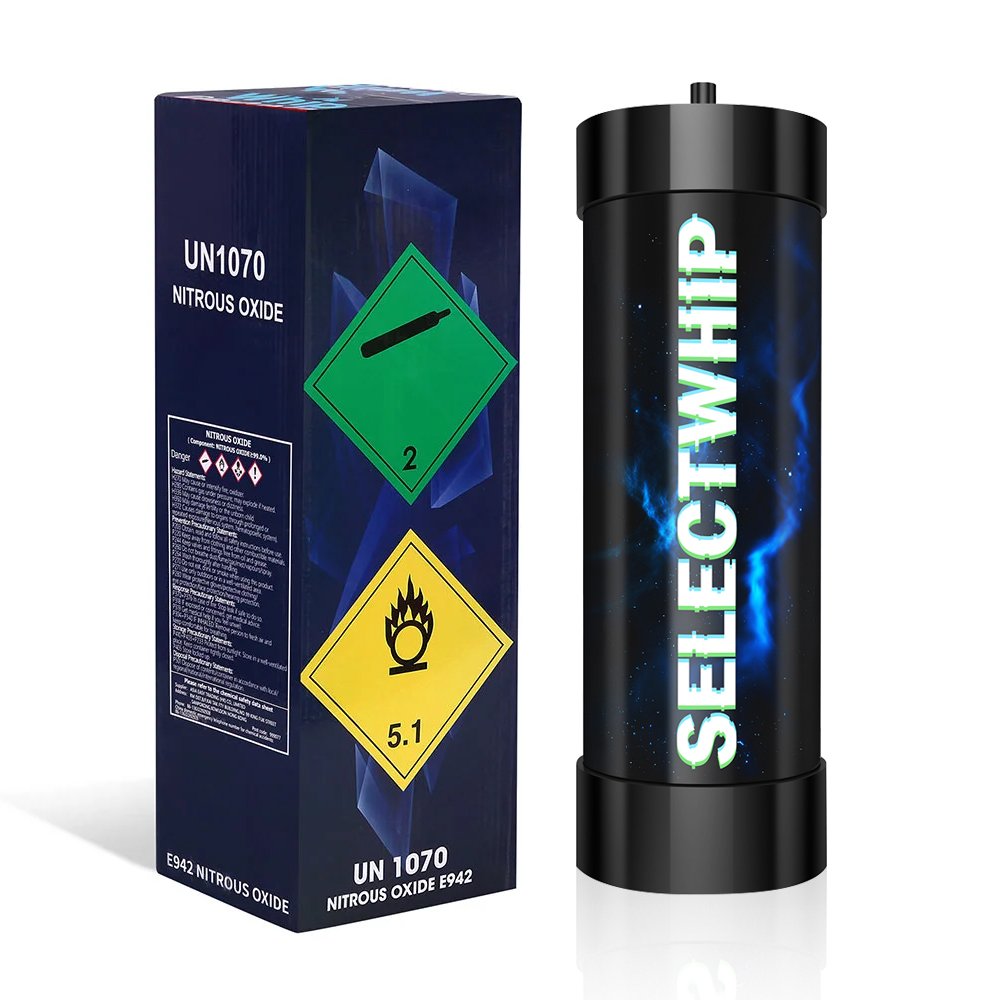
Are you still using individual 8g cartridges for high-volume tasks? Upgrade to our WellWhip 3.3L Cream Charger Tank. It offers consistent pressure, reduces waste, and eliminates the “cartridge-by-cartridge” troubleshooting fatigue.