

Blog
How WellWhip 3.3L N₂O Chargers Enhance Efficiency in Dessert Preparation

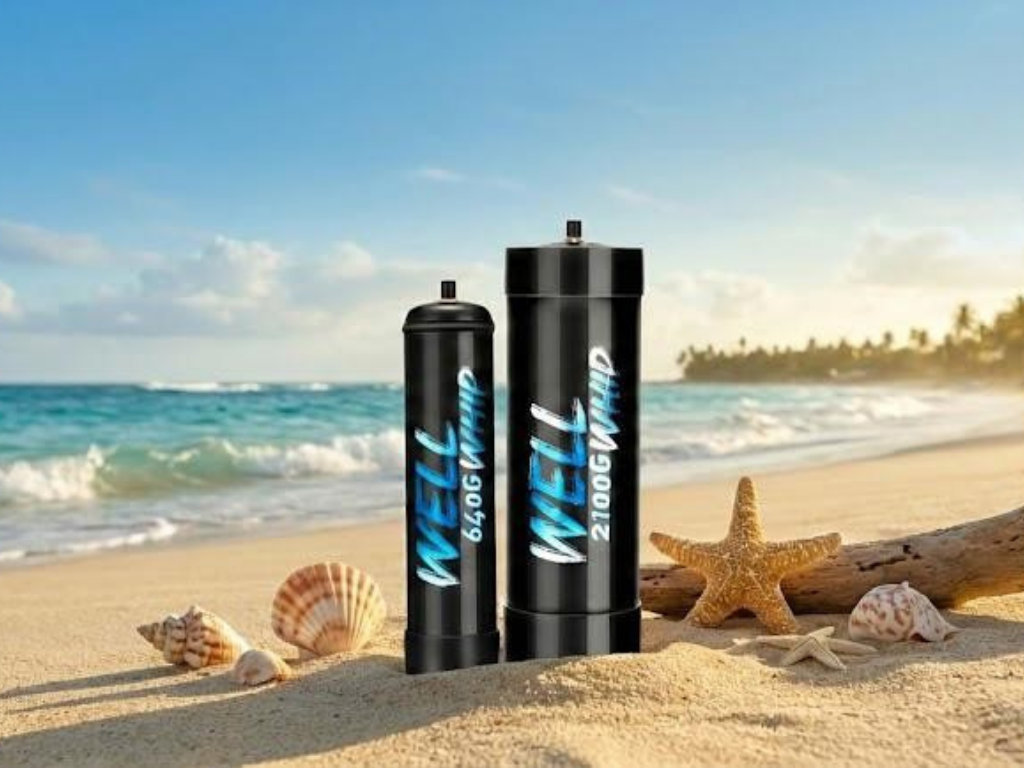
You know the sound. It’s not the ticket machine or the oven timer. It’s the frustrated sigh from your pastry station, followed by the frantic metallic rattle of someone digging through a box for another one of those tiny 8g chargers. It’s 7:15 PM on a Saturday, and your whipped cream just went flat again. The server is waiting, the dessert is getting warm, and your entire line’s rhythm just hit a tiny, infuriating speed bump.
If you run a professional kitchen, you don’t just make food, you engineer efficiency. Every second and every motion counts. That’s why the switch from a clutter of small chargers to a single WellWhip 3.3L N₂O tank isn’t just an equipment upgrade. For chefs and managers drowning in volume, it’s a revelation. It’s the difference between fighting your tools and having them work for you.
Goodbye, Constant Interruptions. Hello, Uninterrupted Flow.
Let’s talk about math, but not the boring kind. Let’s talk real-life, in-the-weeds math. One WellWhip 3.3L N₂O charger holds the equivalent of over 250 of those little 8g cartridges. Think about what that number actually means on the ground.
It means your pastry chef isn’t stopping every twenty minutes to play a game of “find and screw.” It means during a 300-cover wedding reception, your team isn’t scrambling for chargers while the plated desserts wait. That one tank connects at the start of prep and just… works. It eliminates what we in the kitchen call “friction”those tiny tasks that break concentration and slow everything down. You’re not just buying gas; you’re buying back hours of focused, productive time for your staff. That’s not a small thing; it’s a strategic advantage.
The End of the “First-Batch/Last-Batch” Gamble
Here’s a professional headache we all know: the inconsistency of small chargers. You fill your dispenser, and the first few desserts are perfect stiff peaks, beautiful texture. But by the time you’re halfway through the canister, the pressure drops. The cream gets looser, it doesn’t hold its shape on the hot pie, and the last few plates look sloppy.
The 3.3L tank solves this with brute-force consistency. Its massive gas reserve provides steady, unwavering pressure from the first dollop to the literal last. This reliability is everything. It means every single item that leaves your pass, whether it’s the first latte of the morning or the hundredth slice of cheesecake at night, has an identical, professional finish. Your standard becomes a guarantee, not a hope. In an industry built on reputation, that kind of reliability is priceless.
The Real Cost-Saving Isn’t Always on the Price Tag
Sure, the upfront cost of a 3.3L charger is higher than a box of small ones. But for a high-volume operation, that’s the wrong math. The real calculation is cost-per-service, and that’s where this tank wins.
You’re purchasing efficiency in its purest form. Beyond the product, you’re saving on the hidden costs: the labor minutes wasted on constant changes, the storage space for boxes of small chargers, the mental energy spent managing yet another inventory item. For a catering business loading up for a giant event or a bakery that goes through cream by the gallon, this switch is a no-brainer for the bottom line. It’s built for heavy whipped cream demand, and it pays for itself in calm, controlled service.
Built Like a Kitchen Workhorse, Not a Fancy Gadget
This thing isn’t delicate. It’s a high-grade stainless steel tank made for the clatter and haste of a real commercial kitchen. It’s filled with pure food-grade N₂O no weird aftertaste to mess with your delicate vanilla bean or expensive chocolate. It hooks up to standard professional regulators, so you’re not buying into some proprietary, fussy system. It’s simple, tough, and does one job exceptionally well: delivering power without pause.
Making the Switch: Easier Than Changing a Fryer Oil
If you’re tired of the small-charger shuffle, getting started is stupidly simple:
- Get the Right Connector: Make sure you have a regulator that fits a large tank (most professional setups already do, or it’s one easy purchase).
- Screw it On: Literally, just connect the 3.3L N₂O tank to your system and hand-tighten.
- Use Cold, High-Fat Cream: This is the universal pro-tip for any charger, but especially here. Cold cream (33% fat or higher) gives you that stable, luxurious texture that holds for hours.
- Forget About It: Charge your dispensers, and then go prep the rest of your menu. You won’t need to think about gas again for a long, long time.
For smaller cafes that aren’t quite at the 3.3L level yet, the 2000g N₂O tank is a brilliant middle step; it still crushes the inefficiency of tiny chargers.
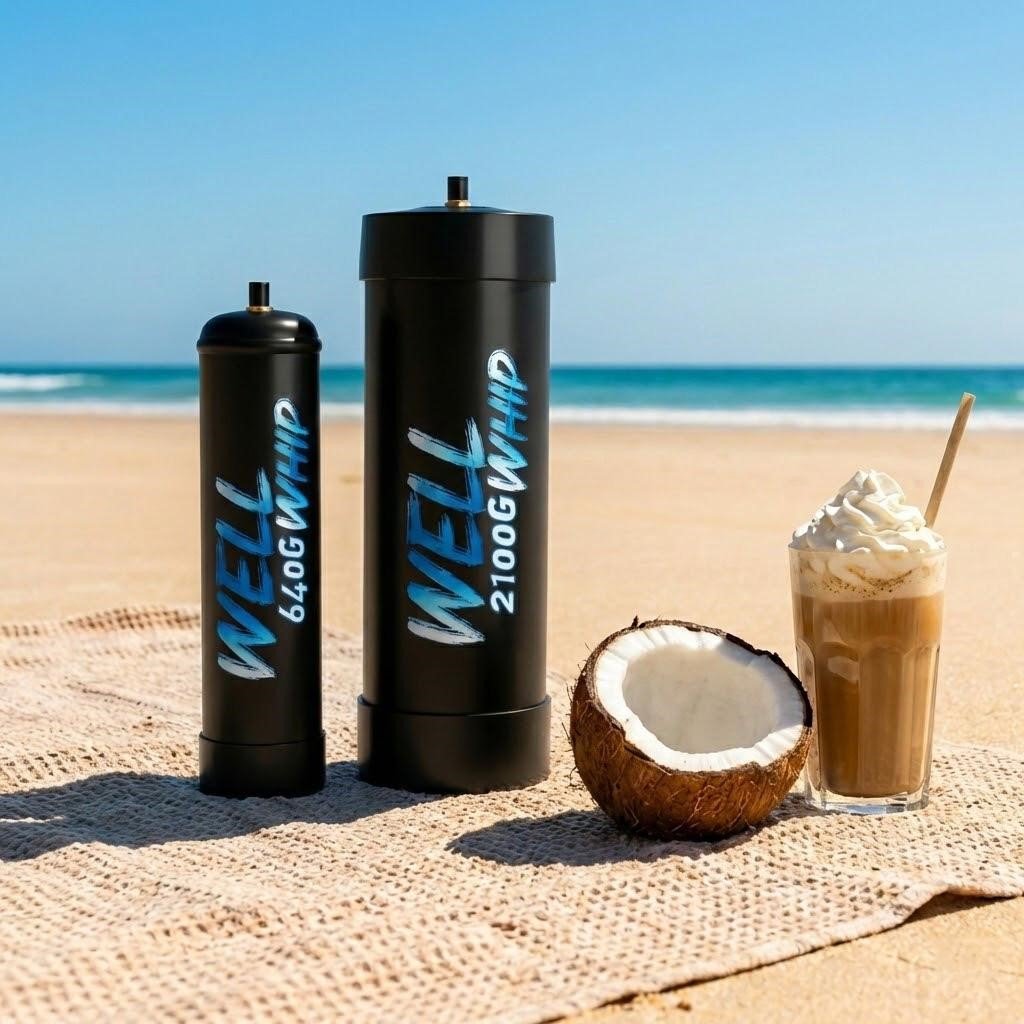
The Real Benefit? Getting Your Focus Back
In the end, the biggest benefit of the WellWhip 3.3L N₂O charger isn’t on a spec sheet. It’s in the atmosphere of your kitchen. It’s the quiet confidence of knowing one crucial variable is locked down. It’s the smooth rhythm of a service without those tiny, aggravating pauses. It’s watching your team focus on craft and presentation, not on wrestling with equipment.
It turns a daily chore into a solved problem, and in a professional kitchen, there’s nothing more valuable than that. You have enough to worry about; your whipped cream supply shouldn’t be one of them.
Ready to stop the small-charger madness and feel what real efficiency is like? See how the WellWhip 3.3L N₂O Charger can change the pace of your prep. Your team and your ticket times will thank you.